
How to get started.
Going electric is about taking one step at a time.
Even just one switch can make a difference. Find out options below for how you can start your journey today.
Why should I go electric?
Every switch you make moves us closer to a cleaner, more resilient energy future for everyone.
LOWER COSTS
Electrifying our homes and vehicles could save each Oregon household over $3,000/year in energy costs on average.

HEALTHIER HOMES
High-efficiency electric appliances increase comfort. They also reduce indoor air pollution and eliminate explosive fuels.

LESS POLLUTION
Powering our buildings and vehicles with clean electricity could avoid 69% of Oregon emissions. (Oregon DEQ)
Ways to go electric.
Heating & Cooling
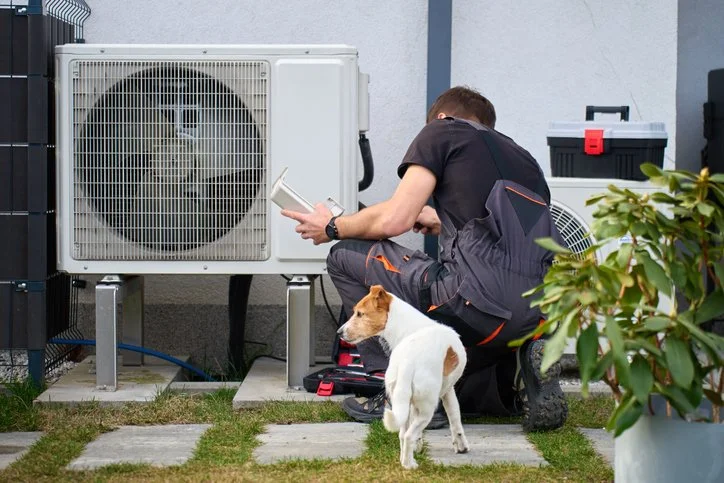
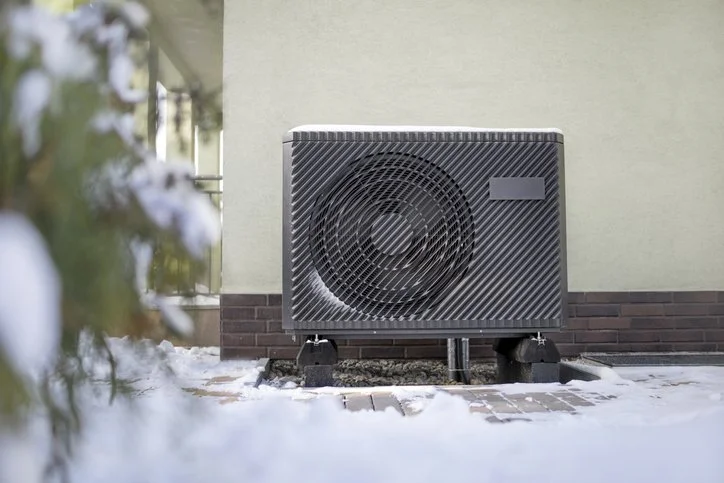
Heat pump HVACs are the most energy efficient way to keep our homes warm in the winter and cool in summer. They can lower utility bills and also reduce carbon emissions by eliminating on-site fossil fuel combustion. New cold-climate heat pumps deliver robust heating even on the coldest days.
Water Heating
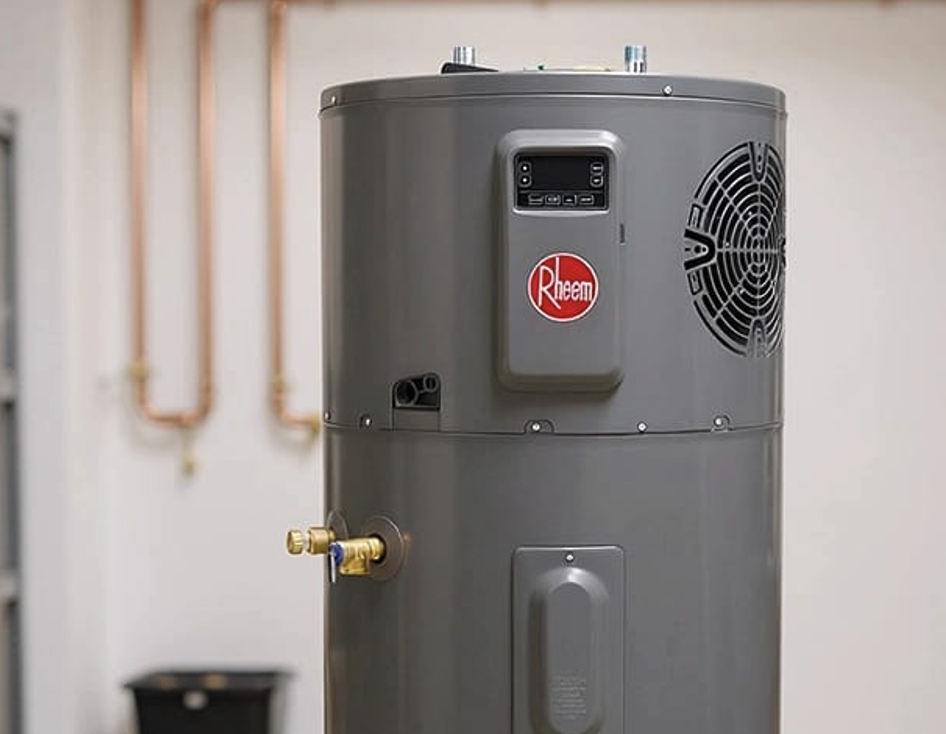
Heat pump water heaters are 3-5x more energy efficient than traditional water heaters! Switching to these water heaters can reduce utility bills by hundreds of dollars a year. Some incentives are available, which can help to lower installation costs. Over time, these appliances can be big money savers.
Driving
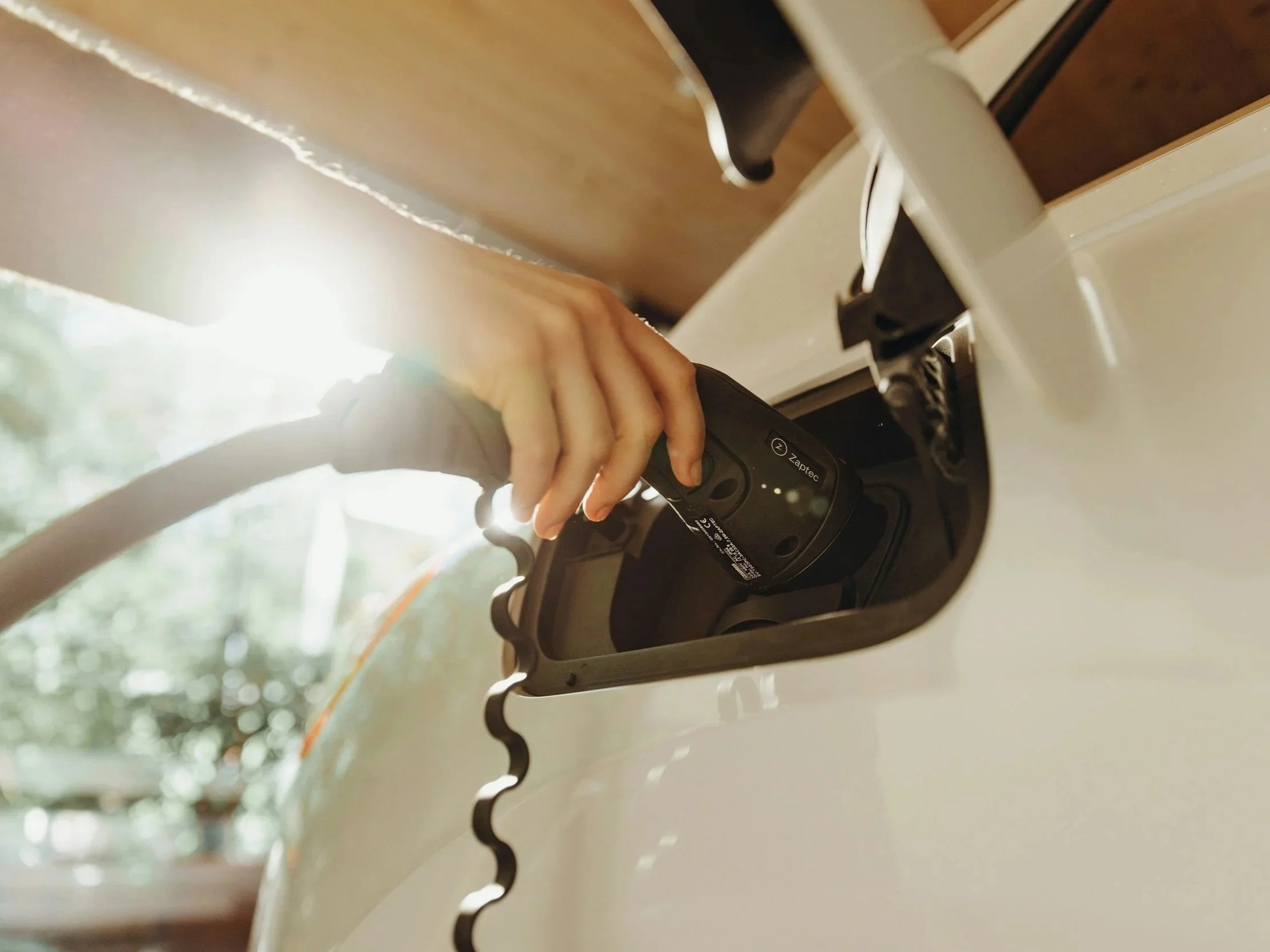
Electric vehicles (EVs) are the best way to reduce emissions and save money. The fast acceleration and smooth handling make driving an experience, and more models are available than ever before. Although initial costs may be higher, lower fuel and maintenance bills add up to significant savings over the lifetime of the car.


Cooking
Induction cooktops and ranges use magnetic technology that directly heats the food — and not your kitchen. That means super fast heating and excellent temperature control. Unlike gas stoves, induction stoves release no toxic pollutants into your household. And with no open flame, they significantly reduce the risk of fire.
Clothes Drying
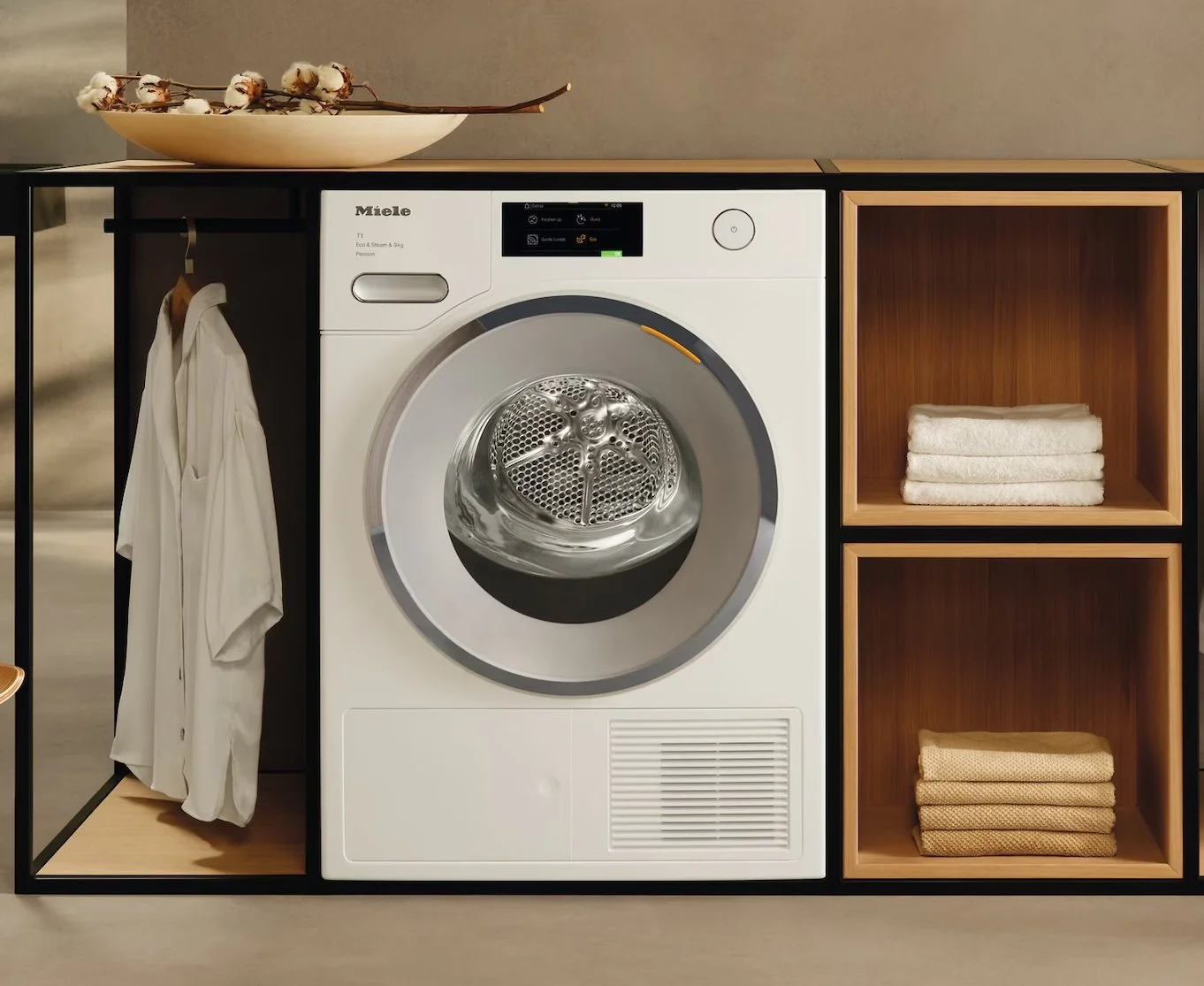
Heat pump clothes dryers recycle warm air through a closed-loop system, resulting in significant energy savings — about 30% less energy than typical dryers. Heat pump dryers run on a standard 120V power outlet and require no exterior venting. They are gentler on clothing and improve indoor air quality.
Lawncare
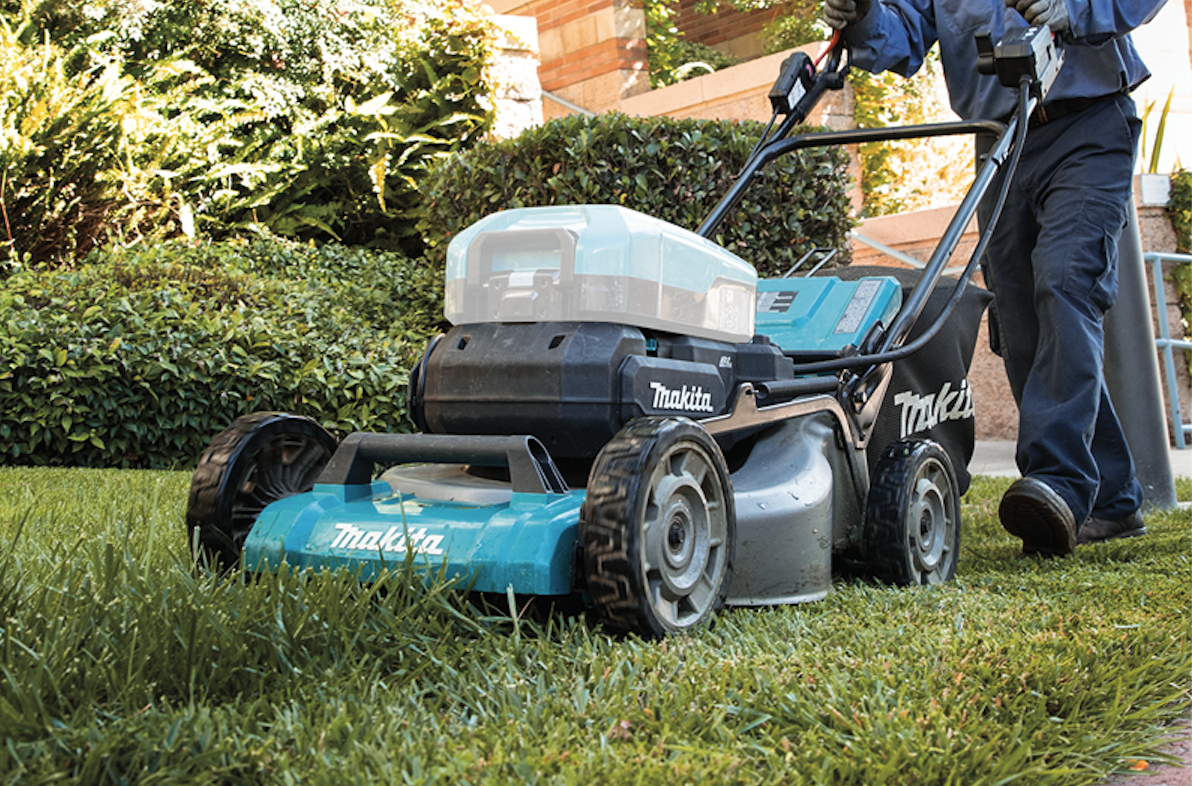
Electric mowers and lawn tools are an efficient alternative to gas-powered equipment. Electric mowers and tools are powerful, clean, and QUIET. Starting with the push of a button, they require virtually no maintenance. They’re also a great way to reduce our carbon footprint as they produce zero direct emissions.
More ways to reduce pollution.
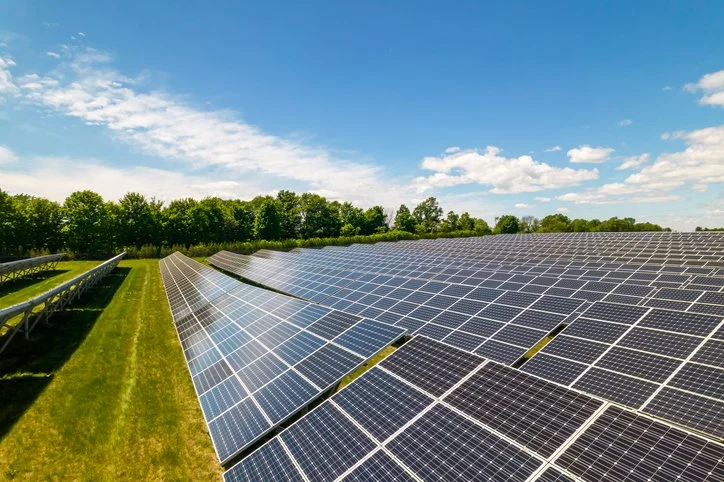
Community Solar
Community solar provides the benefits of solar energy without the hassle and costs of installing solar panels on your roof. If you are a PGE or Pacific Power customer, you can easily sign up online to subscribe to a local solar farm that will deliver clean electricity to your home through your existing utility, costing you at least 5% less than standard rates (as required by Oregon law).
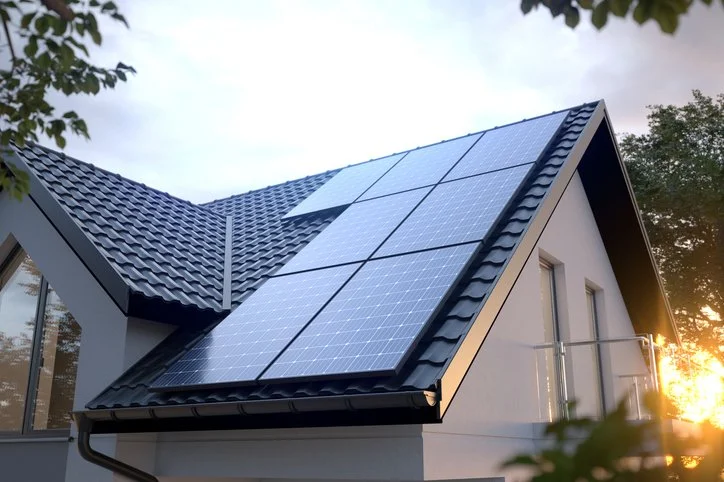
Rooftop Solar
If your rooftop gets good access to the sun, rooftop solar can be a great way to get clean energy. Although the installation costs money upfront, you’ll experience significant savings over the solar panels’ lifetime through much lower monthly bills. Most electric utilities offer “net metering” plans which require the utilities to buy any excess solar you produce at market rates.
Home Battery
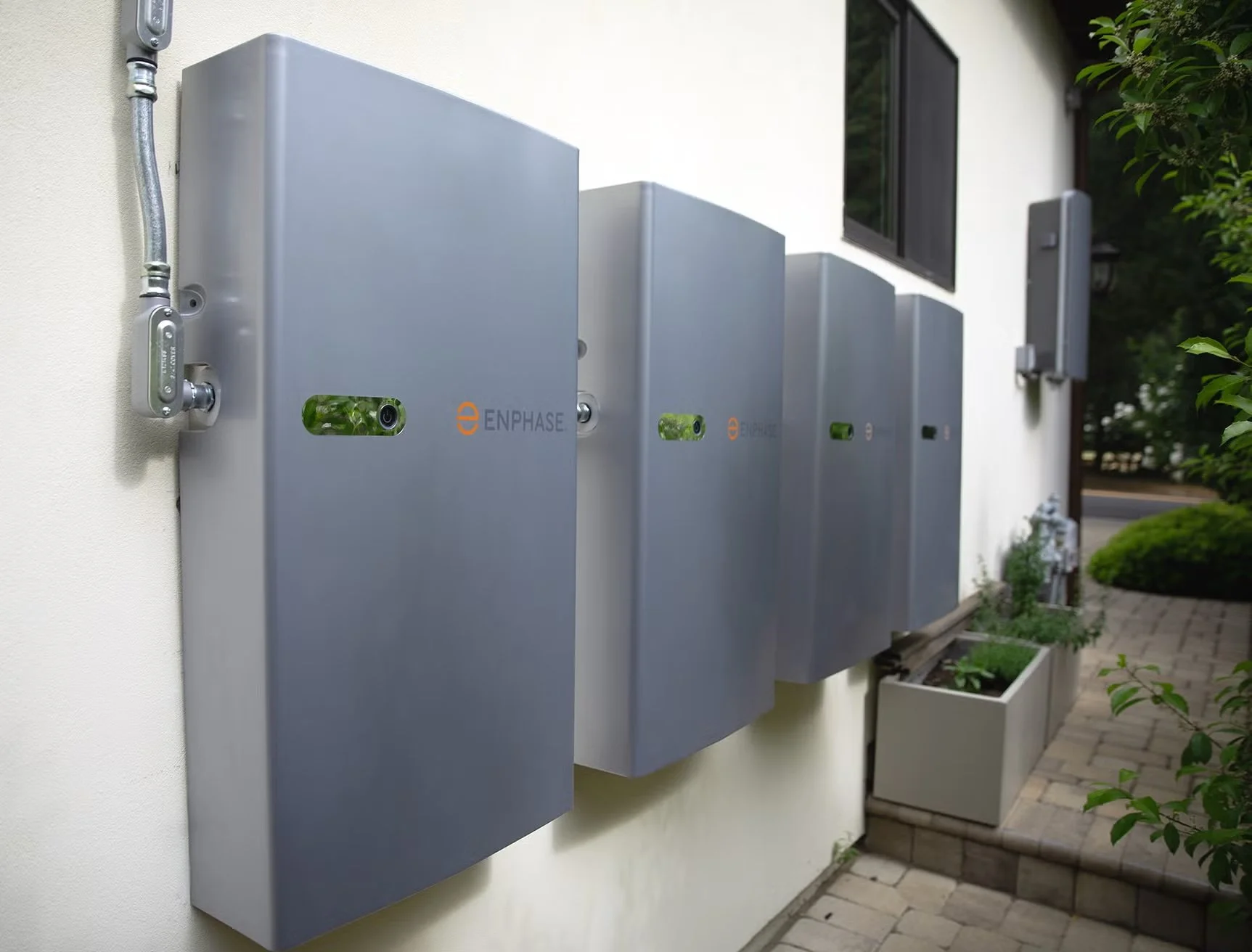
A home battery can be a lifesaver during power outages by powering your home when the grid goes down. If you sign up for ”time of use” electric service plans through your utility, you can charge your home battery at night when rates are low and then power your home with your home battery during the day when rates are high. This can lead to savings of hundreds of dollars a year.
Frequently Asked Questions
-
There are so many reasons to electrify, even if the source is powered by gas or coal. First, there are massive efficiency gains by switching to electric appliances and vehicles. For example, gas-powered cars waste up to 80% of their fuel as heat, converting only about 20% into motion. Heat pumps (the primary engine of electric appliances), move thermal energy from one place to another, rather than burning fuel to create heat. The net impact of switching to electric, regardless of how the electricity is produced, is a much lower carbon footprint.
-
Most newer homes are built with a 200-amp panel which provides plenty of power to handle the electric appliances, heat pumps and EV charges that are the typical components of an all-electric home. When upgrading to more electric appliances, you’ll first want to look at your electric panel to determine its service rating in amps. You can usually find this by opening your electric panel and looking at the number on the main breaker (the big switch at the top of the panel). If your panel is 150 amps or greater, you can usually electrify your major home appliances without a panel upgrade. Even a 100-amp panel can be sufficient with careful planning. If you have a panel that is less than 100 amps, you’ll probably need to contact a licensed electrician to upgrade your panel.
-
If you drive less than 50 miles per day, you may be able to use a Level 1 charger to charge your battery when you park at home. This is the simplest option, needing only a standard 120V electric outlet. For faster charging, a Level 2 charger can be installed to provide 8-20 miles per hour of charging. This charger requires a dedicated 240V circuit to be installed by a licensed electrician.
-
Electric fireplaces provide the look of a gas or wood fireplace without any combustion. They come with integrated electric heaters to provide supplemental heating that can be controlled independently of the flame. Electric fireplaces eliminate the need for fuel and venting. They also eliminate the risks associated with open flames and very hot surfaces.
-
In most cases, it is not necessary to weatherize before installing a heat pump, but if your home is older or insufficiently insulated and sealed, it can be beneficial to coordinate weatherization with your heat pump installation. Adding insulation and sealing air leaks can significantly increase comfort in winter and summer months — and help you save on utility bills! If you have an older home, you may want to upgrade to double-paned windows with insulated frames, which can greatly improve home comfort and increase energy savings.
-
LED light bulbs are 90% more efficient than incandescent light bulbs. They’re long lasting, come in several options in terms of brightness and warmth, and are available in all shapes, sizes, and bulb types. LED lights are superior to compact fluorescent lights (CFLs) that were the previous alternative to incandescent bulbs. CFLs have a shorter lifespan than LEDs and contain mercury which requires them to be treated as hazardous waste.
-
Electric outdoor grills are a great way to cook your favorite summertime meals. They’re compact, versatile, and much safer than open-flame alternatives. They’re also a great option for apartment building residents with balconies where open-flame grills are not allowed. Electric grills are easy to clean and provide superior temperature regulation. They require no refueling or trips to purchase charcoal.
-
E-bikes are a common sight these days and they’re a great way to commute to work, get around town, or visit friends. Thanks to improvements in technology, e-bikes are lighter and cheaper than they used to be. They’re also terrific for the environment as they produce no emissions. It’s important to choose the e-bike that’s appropriate for your usage and age.
-
There are lots of great resources to learn more about electrifying your life. We recommend Rewiring America and Electrify Now. To learn more about available incentives, visit the Energy Hub of the Oregon Department of Energy.